Booking Engine A Deep Dive
Booking engines are the unsung heroes of the travel industry, seamlessly connecting travelers with their dream destinations. From flights and hotels to rental cars and activities, these powerful platforms handle millions of bookings daily. This guide will explore the inner workings of booking engines, from their core functionality and key features to the technology behind them and future trends shaping their evolution.
We’ll cover everything from the different types of booking engines and their architectures to crucial aspects like UI/UX design, security, and integration with other systems. We’ll also delve into marketing strategies, performance optimization, and the exciting impact of emerging technologies like AI and machine learning.
Defining a Booking Engine
Source: behance.net
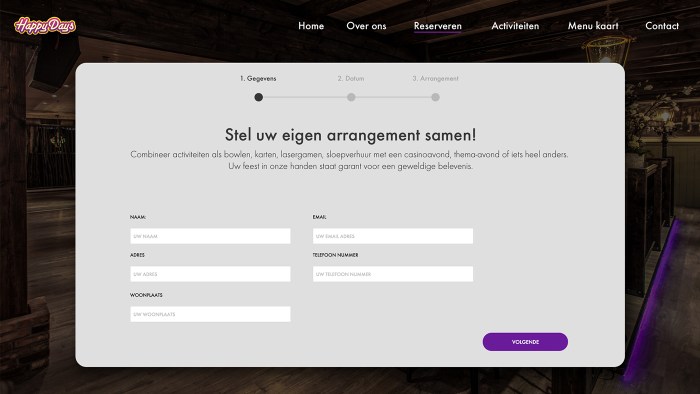
A booking engine is a software system that allows users to search for, select, and book travel-related services online. It acts as a central hub, connecting customers with providers of services like hotels, flights, rental cars, and more. Essentially, it automates the entire booking process, eliminating the need for manual intervention and providing a streamlined experience for both users and providers.
Core Functionality of a Booking Engine
Booking engines perform several crucial functions. They provide a user-friendly interface for searching availability, displaying pricing information, managing user accounts, processing payments, and issuing confirmations. They also handle inventory management, updating availability in real-time, and integrating with various payment gateways. The core functionality centers around efficient search, accurate pricing, secure payment processing, and seamless confirmation delivery.
Types of Booking Engines
Booking engines cater to various industries within the travel sector. Hotel booking engines focus solely on hotel reservations, offering features like room selection, date filters, and guest information forms. Flight booking engines specialize in air travel, integrating with global distribution systems (GDS) to display flight options from numerous airlines. Rental car booking engines similarly concentrate on car rentals, allowing users to select vehicle types, pick-up and drop-off locations, and insurance options. Other specialized engines exist for cruises, tours, and other travel services.
Examples of Popular Booking Engines and Their Features
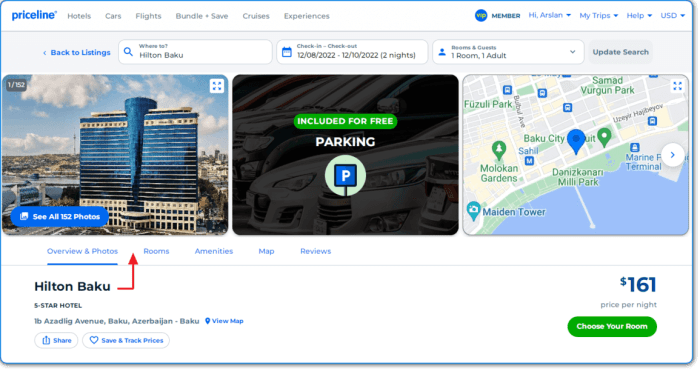
Several well-known booking engines demonstrate the diversity and sophistication of this technology. Expedia, for instance, offers a comprehensive platform for flights, hotels, car rentals, and vacation packages, incorporating personalized recommendations and loyalty programs. Booking.com specializes in hotel bookings, featuring extensive reviews, high-quality photos, and detailed property information. Kayak provides a metasearch function, comparing prices from multiple providers to help users find the best deals. These engines showcase features like integrated maps, customer reviews, flexible search filters, and secure payment gateways.
Comparison of Booking Engine Architectures
Booking engine architectures vary based on factors like scalability, customization needs, and integration requirements. Monolithic architectures house all components within a single application, offering simplicity but potentially limiting scalability. Microservices architectures break down the system into smaller, independent services, enhancing flexibility and scalability but increasing complexity. Cloud-based architectures leverage cloud infrastructure for hosting, offering increased scalability and cost-effectiveness. The choice of architecture depends on the specific needs and resources of the business.
Flowchart of a Typical Booking Process
A typical booking process can be illustrated using a simple flowchart. The process begins with the user searching for available options based on specified criteria (e.g., dates, location, type of accommodation). The engine then retrieves and displays relevant results. The user selects their preferred option and proceeds to the checkout process, providing necessary personal and payment information. The engine processes the payment, confirms the booking, and sends a confirmation to the user and provider. Finally, the system updates its inventory to reflect the new booking. This process can be represented visually with boxes representing each stage and arrows indicating the flow.
Key Features of a Booking Engine

Source: githubassets.com
A successful booking engine needs more than just a pretty face; it requires a robust set of features working seamlessly together to provide a smooth and efficient booking experience for users. These features directly impact conversion rates and overall user satisfaction. Let’s delve into the essential components.
Essential Features
A basic booking engine needs core functionalities to allow users to find and book what they need. These features form the foundation upon which more advanced functionalities are built. Missing even one of these can significantly hinder usability and lead to lost bookings.
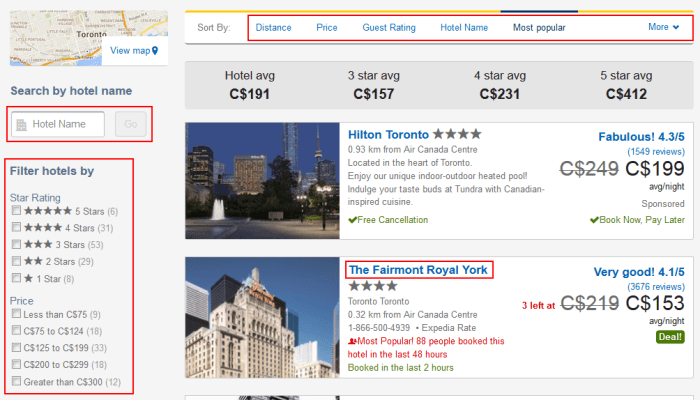
- Search Functionality: A powerful search tool allows users to filter and refine their search based on various criteria (dates, location, price, amenities, etc.). This is crucial for quick and relevant result retrieval.
- Availability Calendar: A clear and intuitive calendar showing available dates and times is essential for visualizing booking options. This should integrate seamlessly with the search function.
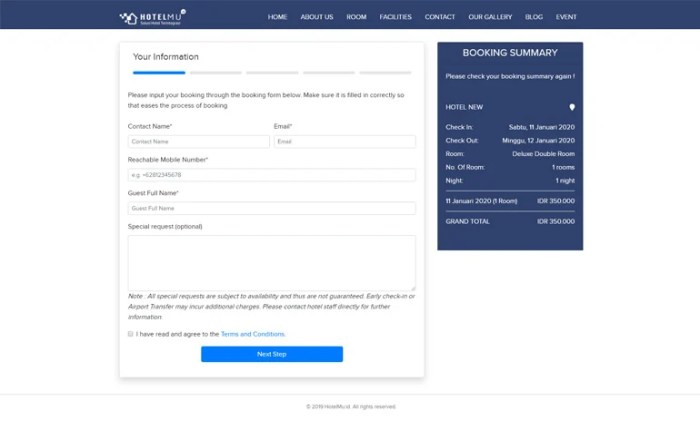
- Booking Form: A straightforward and easy-to-complete booking form is critical. It should collect necessary information (contact details, payment information, etc.) without being overwhelming.
- Payment Gateway Integration: Secure payment processing is paramount. Integration with trusted payment gateways ensures smooth and secure transactions, building user trust.
- Confirmation and Management: Users need immediate booking confirmation, ideally via email and within the engine itself. The ability to manage or cancel bookings is also crucial.
User Interface/User Experience (UI/UX) Design
UI/UX design is not merely about aesthetics; it’s about creating a user-friendly and intuitive experience that guides users effortlessly through the booking process. A poorly designed booking engine, no matter how feature-rich, will frustrate users and lead to abandoned bookings. Think of it as the difference between a well-organized store and a cluttered one – one encourages browsing and purchase, the other discourages it.
Key aspects include intuitive navigation, clear calls to action, mobile responsiveness (crucial for today’s users), and a visually appealing design that aligns with your brand. Consider A/B testing different design elements to optimize for conversions. For example, changing the color of a button can significantly impact click-through rates.
Security and Data Privacy
Security and data privacy are paramount. Storing and processing sensitive user data requires robust security measures to protect against data breaches and unauthorized access. Compliance with relevant data privacy regulations (like GDPR or CCPA) is not just good practice, it’s a legal requirement. Implementing strong encryption, secure authentication methods, and regular security audits are crucial. Transparency about data usage policies is equally important for building user trust.
Optimizing the Booking Process for Conversion
Optimizing the booking process for higher conversion rates involves a multi-pronged approach. It’s about removing friction points and making the process as smooth and efficient as possible.
- Minimize Form Fields: Only collect essential information. Too many fields can lead to abandonment.
- Clear and Concise Language: Use simple, straightforward language, avoiding jargon.
- Progress Indicators: Show users their progress through the booking process.
- Mobile Optimization: Ensure a seamless experience on all devices.
- Fast Loading Times: Slow loading times lead to frustration and abandonment. Optimize images and code for speed.
Basic vs. Advanced Booking Engine Features
The following table compares features of a basic and advanced booking engine:
| Feature | Basic Booking Engine | Advanced Booking Engine | Notes |
|---|---|---|---|
| Search Functionality | Basic date and location search | Advanced filtering (price, amenities, guest type, etc.), map integration, AI-powered recommendations | Sophistication directly impacts user experience and booking efficiency |
| Payment Options | Limited payment gateway integration (e.g., credit cards) | Multiple payment gateway integrations, including alternative payment methods (e.g., PayPal, Apple Pay), installment options | Expanding payment options caters to a broader user base. |
| Booking Management | Basic confirmation and cancellation | Self-service booking modification, automated reminders, integration with CRM systems | Streamlines post-booking interactions for both users and administrators. |
| Reporting and Analytics | Limited reporting capabilities | Detailed reporting and analytics dashboards, revenue tracking, user behavior insights | Data-driven decision making is essential for optimization and growth. |
Technology Behind Booking Engines
Source: dribbble.com
Building a robust and reliable booking engine requires a sophisticated blend of technologies working in harmony. From the programming languages used to construct the core functionality to the databases storing crucial information and the APIs facilitating communication with external services, each component plays a vital role in the overall user experience and operational efficiency.
A typical booking engine involves a complex interplay of server-side and client-side technologies. The server-side handles the heavy lifting, managing databases, processing transactions, and interacting with third-party APIs. The client-side, what the user interacts with, focuses on delivering a smooth and intuitive interface. The seamless integration of these components is crucial for a successful booking engine.
Programming Languages
Many programming languages are suitable for building booking engines, each with its strengths and weaknesses. Popular choices include Python (known for its extensive libraries and readability), Java (renowned for its scalability and robustness), PHP (widely used for web development), and Node.js (favored for its asynchronous capabilities). The specific choice often depends on the developer’s expertise, project requirements, and the existing infrastructure. For example, a large-scale booking engine might benefit from Java’s scalability, while a smaller project might find Python’s ease of use more advantageous.
Databases
Booking engines rely heavily on databases to store and manage vast amounts of data, including availability, pricing, customer information, and booking details. Relational databases like MySQL, PostgreSQL, and Oracle are commonly used due to their ability to handle structured data efficiently. NoSQL databases, such as MongoDB, offer advantages for handling unstructured or semi-structured data, potentially useful for storing user preferences or reviews. The selection depends on the specific needs of the booking engine and the nature of the data it manages. A large hotel chain, for instance, might opt for a scalable solution like Oracle, while a smaller bed and breakfast might find MySQL sufficient.
APIs
Application Programming Interfaces (APIs) are essential for integrating the booking engine with various external services. Payment gateways (e.g., Stripe, PayPal) require APIs for secure transaction processing. Calendar APIs (like Google Calendar) might be used for scheduling. Other APIs could integrate with mapping services, customer relationship management (CRM) systems, and other relevant tools. The efficient use of APIs ensures a streamlined workflow and enhanced functionality. For example, integrating with a flight booking API allows users to seamlessly book flights alongside their hotel accommodations.
Payment Gateway Integration
Integrating a payment gateway is critical for processing transactions securely. This involves setting up an account with a payment provider, obtaining API credentials, and implementing the necessary code to securely transmit payment information. The process typically involves securely handling sensitive customer data, adhering to industry standards like PCI DSS, and managing potential errors or failures in the payment process. This integration requires careful attention to security to protect both the business and its customers.
Real-Time Availability and Pricing Updates
Real-time updates are crucial for providing accurate information to users. A booking engine needs to constantly reflect the current availability of resources and their associated prices. This requires frequent communication with the underlying inventory management system and efficient data synchronization. Without real-time updates, users might book resources that are already unavailable, leading to frustration and lost revenue. A system that does not update in real-time might show a room as available when it has already been booked by someone else.
Handling High Traffic Volumes and System Scalability
Booking engines often experience periods of high traffic, especially during peak seasons or promotional events. Ensuring system scalability is vital to handle these surges without performance degradation or system crashes. This requires careful architectural design, load balancing techniques, and the use of cloud-based infrastructure. Implementing caching mechanisms and optimizing database queries also contributes to improved performance under heavy load. A well-designed system can handle significant traffic spikes without impacting the user experience.
Potential Technology Stacks
Several technology stacks can be used to develop a booking engine. Here are a few examples:
Choosing the right technology stack depends on factors like budget, team expertise, scalability requirements, and the specific features needed.
| Stack | Programming Language | Database | Framework |
|---|---|---|---|
| Stack A | Python | PostgreSQL | Django |
| Stack B | Java | MySQL | Spring Boot |
| Stack C | Node.js | MongoDB | Express.js |
Booking Engine Integrations
Source: behance.net
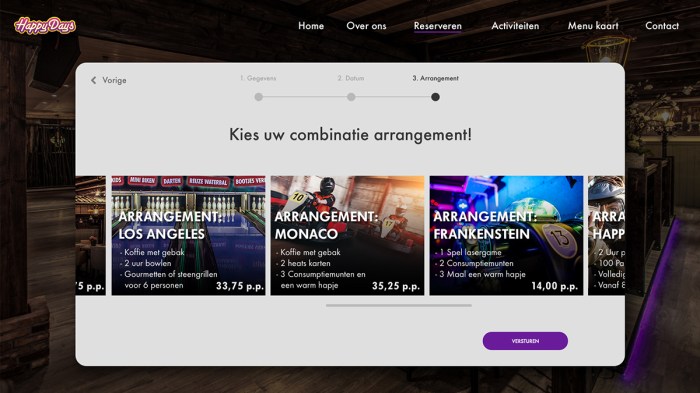
A booking engine’s power significantly increases when it connects with other vital systems within a business. These integrations streamline operations, improve efficiency, and enhance the overall guest experience. Understanding how these integrations work and their implications is crucial for maximizing the benefits of your booking engine.
A well-integrated booking engine acts as a central hub, connecting various software applications to create a seamless flow of information. This allows for automated processes, reduced manual data entry, and a more consistent experience for both your staff and your customers. The key is selecting the right integration methods and understanding the potential challenges.
Integration Methods
Different systems communicate using various methods, each with its own strengths and weaknesses. Choosing the appropriate method depends on the specific systems involved and the complexity of the data exchange.
Three common methods are API (Application Programming Interface), XML (Extensible Markup Language), and iCal (Internet Calendar). APIs offer a flexible and robust way to exchange data, allowing for real-time updates and sophisticated functionalities. XML provides a structured format for data exchange, particularly useful for transferring large amounts of information. iCal is primarily used for calendar synchronization, ideal for integrating with guest scheduling systems.
API Integrations: Benefits and Challenges
APIs offer the most flexible and powerful integration method. They allow for real-time data synchronization and automated processes, leading to increased efficiency and reduced errors. However, implementing API integrations requires technical expertise and can be more complex than other methods. Different APIs have varying levels of documentation and support, adding to the potential challenges. Successful API integrations often require close collaboration between the developers of the different systems.
Examples of Successful Integrations
A hotel might integrate its booking engine with a Property Management System (PMS) via an API to automatically update room availability and guest information. This eliminates manual data entry, reduces the risk of errors, and allows staff to focus on other tasks. Integrating with a Channel Management System (CMS) enables the hotel to distribute its inventory across multiple online travel agents (OTAs) simultaneously, increasing visibility and bookings. Integration with a Customer Relationship Management (CRM) system personalizes guest communication and enhances customer loyalty.
Data Flow Between Booking Engine and PMS
Imagine a diagram showing the booking engine and the PMS as two distinct boxes. Arrows indicate the flow of data. When a booking is made through the booking engine, the data (guest details, reservation dates, room type, etc.) is sent to the PMS via the chosen integration method (e.g., API). The PMS then updates its database with this information. Conversely, the PMS sends real-time availability and pricing data back to the booking engine, ensuring that the information displayed on the booking website is always accurate. This continuous two-way communication is key to seamless operations.
For instance, if a guest books a room through the booking engine, the system automatically sends the reservation details to the PMS. The PMS updates its database, assigns a room, and generates confirmation emails. If a room is booked through a different channel, the PMS updates the booking engine, ensuring the website reflects accurate availability. This automated process ensures that no double bookings occur.
Marketing and Optimization of a Booking Engine

Source: therevolutorsonline.com
Getting your booking engine noticed and driving conversions requires a multi-faceted approach. It’s not enough to simply build a functional platform; you need a robust marketing strategy to attract customers and ensure they choose your service over competitors. This involves understanding your target audience, leveraging digital marketing tools, and continuously optimizing your engine’s performance.
Driving Traffic to a Booking Engine
Successful strategies for attracting users to your booking engine involve a blend of organic and paid methods. Organic methods, such as search engine optimization () and content marketing, build a strong foundation for long-term growth. Paid strategies, like pay-per-click (PPC) advertising and social media marketing, offer faster, more immediate results but require ongoing investment. A well-rounded approach combines both. For instance, a travel agency might use targeted Facebook ads to reach specific demographics interested in specific destinations, while simultaneously optimizing their website for relevant s to improve organic search rankings.
Search Engine Optimization () for Booking Engines
is crucial for long-term success. By optimizing your booking engine and associated website for relevant s, you improve your visibility in search engine results pages (SERPs). This involves on-page optimization (optimizing website content, meta descriptions, and title tags) and off-page optimization (building high-quality backlinks from reputable websites). For example, a hotel booking engine might target s like “cheap hotels in London,” “best family hotels near Disneyland,” or “luxury resorts in the Maldives,” ensuring their pages are easily discoverable by potential customers searching for these terms. Regular research is essential to identify relevant search terms and adapt your strategy accordingly.
Using Analytics to Track Performance
Analytics tools like Google Analytics provide invaluable insights into your booking engine’s performance. Tracking key metrics allows you to identify areas for improvement, understand user behavior, and measure the effectiveness of your marketing campaigns. For example, by analyzing bounce rates, conversion rates, and time spent on specific pages, you can pinpoint usability issues, optimize the booking process, and improve the overall user experience. Analyzing referral sources helps you understand which marketing channels are driving the most valuable traffic.
Examples of Effective Marketing Campaigns, Booking engine
A successful campaign for a flight booking engine might involve partnering with travel influencers on social media, creating visually appealing ads showcasing affordable flight deals, and running targeted email marketing campaigns based on user preferences and past searches. A car rental booking engine could utilize retargeting ads to reach users who have previously visited their website but haven’t completed a booking, reminding them of their search and offering incentives to complete the transaction. These examples demonstrate how tailored strategies, considering specific platforms and audience segments, can significantly impact results.
Key Performance Indicators (KPIs) for a Booking Engine
Understanding your KPIs is vital for measuring success. A range of metrics should be monitored regularly.
- Conversion Rate: The percentage of website visitors who complete a booking.
- Average Booking Value (ABV): The average revenue generated per booking.
- Customer Acquisition Cost (CAC): The cost of acquiring a new customer.
- Return on Investment (ROI): The return on marketing investment.
- Bounce Rate: The percentage of visitors who leave the website after viewing only one page.
- Website Traffic: The total number of visitors to your booking engine.
- Average Session Duration: The average time visitors spend on your website.
Regularly reviewing these KPIs helps to fine-tune marketing efforts and optimize the booking engine for maximum effectiveness.
Future Trends in Booking Engines
Source: littlehotelier.com
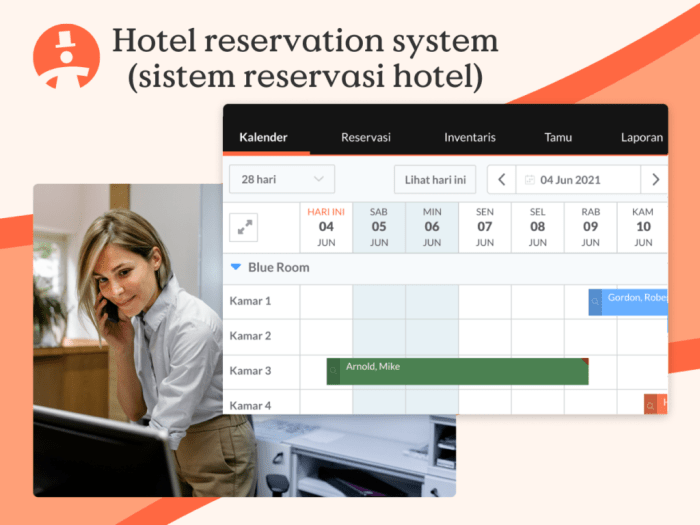
The booking engine landscape is constantly evolving, driven by rapid advancements in technology and shifting consumer expectations. The future of booking engines will be defined by increased personalization, seamless mobile experiences, and the intelligent application of artificial intelligence. This section explores some key trends shaping the industry.
Artificial Intelligence and Machine Learning in Booking Engines
AI and machine learning are poised to revolutionize the booking experience. These technologies enable sophisticated predictive analytics, allowing booking engines to anticipate user needs and preferences. For example, AI can analyze past booking data to suggest relevant travel options, predict price fluctuations, and even personalize offers based on individual user profiles. Machine learning algorithms can optimize pricing strategies in real-time, maximizing revenue while ensuring competitive pricing. This leads to a more efficient and personalized booking process for the user, and increased profitability for the business.
Personalization and Customization of the Booking Experience
Personalization is no longer a luxury; it’s a necessity. Future booking engines will leverage user data to create highly tailored experiences. This includes personalized recommendations, customized search filters, and dynamic pricing based on individual preferences. Imagine a booking engine that remembers your past travel choices, automatically pre-fills your preferred travel dates and destinations, and even suggests accommodations based on your past reviews and ratings. This level of personalization significantly enhances user satisfaction and loyalty.
Mobile Optimization in Booking Engines
With the increasing dominance of mobile devices, mobile optimization is paramount. Future booking engines must be fully responsive and optimized for various screen sizes and operating systems. This includes intuitive navigation, fast loading times, and seamless integration with mobile wallets and payment systems. Furthermore, features like location-based search, augmented reality previews of destinations or accommodations, and offline booking capabilities will become increasingly important for a truly mobile-first experience. Consider the example of a traveler using a booking app while on the go; the ability to quickly search for nearby hotels, view real-time availability and pricing, and book a room without any glitches is crucial for a positive experience.
Predictions for the Future of the Booking Engine Industry
The booking engine industry is predicted to see a significant shift towards AI-powered personalization, voice-activated search, and the increased integration of virtual and augmented reality. We can expect to see a rise in subscription-based booking services offering curated travel experiences and loyalty programs. Companies like Airbnb have already demonstrated the success of a peer-to-peer booking model, and this trend is likely to continue. Moreover, blockchain technology might play a role in enhancing security and transparency in transactions. The increased use of data analytics will lead to more accurate predictions and improved customer service. For example, a booking engine might use predictive analytics to anticipate potential flight delays and proactively offer alternative travel arrangements.
Enhanced User Experience Through Emerging Technologies
Imagine a future where booking a flight or hotel is as simple as having a conversation with a virtual assistant. Voice search integration will allow users to book travel arrangements using natural language commands. Augmented reality can provide immersive previews of destinations and accommodations, allowing users to virtually “visit” a hotel room or explore a city before booking. AI-powered chatbots can provide instant customer support, answering questions and resolving issues 24/7. These technologies, working together, will create a frictionless and enjoyable booking experience, significantly improving customer satisfaction and loyalty. Consider a scenario where a user asks their smart speaker to book a flight to Paris for next weekend. The booking engine, integrating AI and voice search, could instantly present options, compare prices, and even suggest suitable hotels based on the user’s preferences, all without requiring any manual input.
Final Conclusion

Source: five.co
Building a successful booking engine requires a blend of technical expertise, user-centric design, and a keen understanding of market trends. By understanding the core functionalities, integrating seamlessly with other systems, and leveraging the power of data analytics and emerging technologies, businesses can create a booking engine that not only meets but exceeds customer expectations. The future of booking engines promises even more personalized and intuitive experiences, driven by advancements in AI and mobile technology.